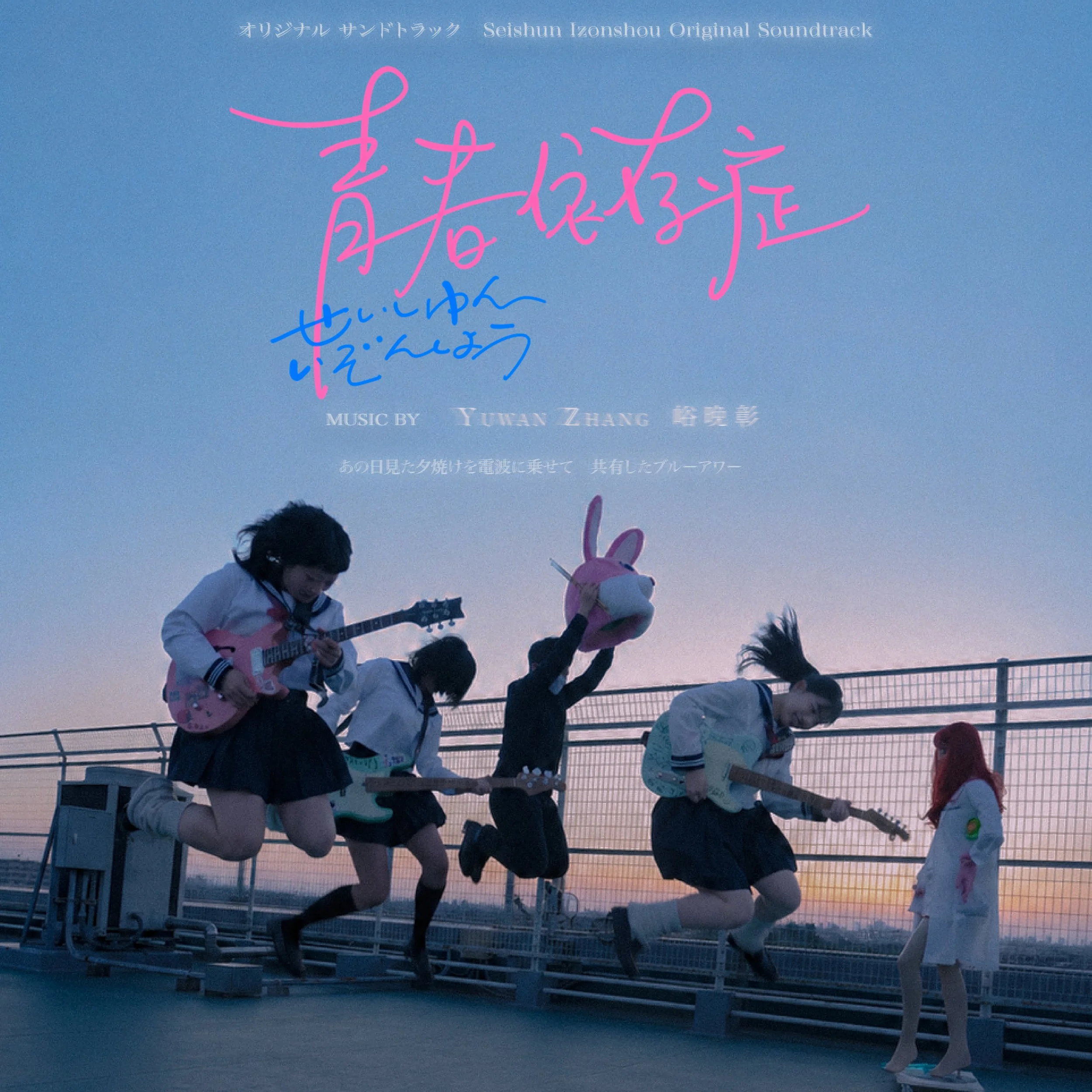
いつか振り向けば、後悔せず、無駄にせず過ごした時間で良かった。
峪晚彰首张原创电影原声配乐专辑《青春依存症》,已于2026年8月31日登陆各大音乐平台。
Yuwan Zhang’s first original soundtrack album “Seishun Izonshou (Youth Addiction)”, is available on all mainstream music platforms. English translation of this page is attached.
Yuwan Zhang初のオリジナル・サウンドトラック・アルバム『青春依存症』は、主要音楽配信プラットフォームにて配信中です。本ページの日本語訳は添付をご覧ください。
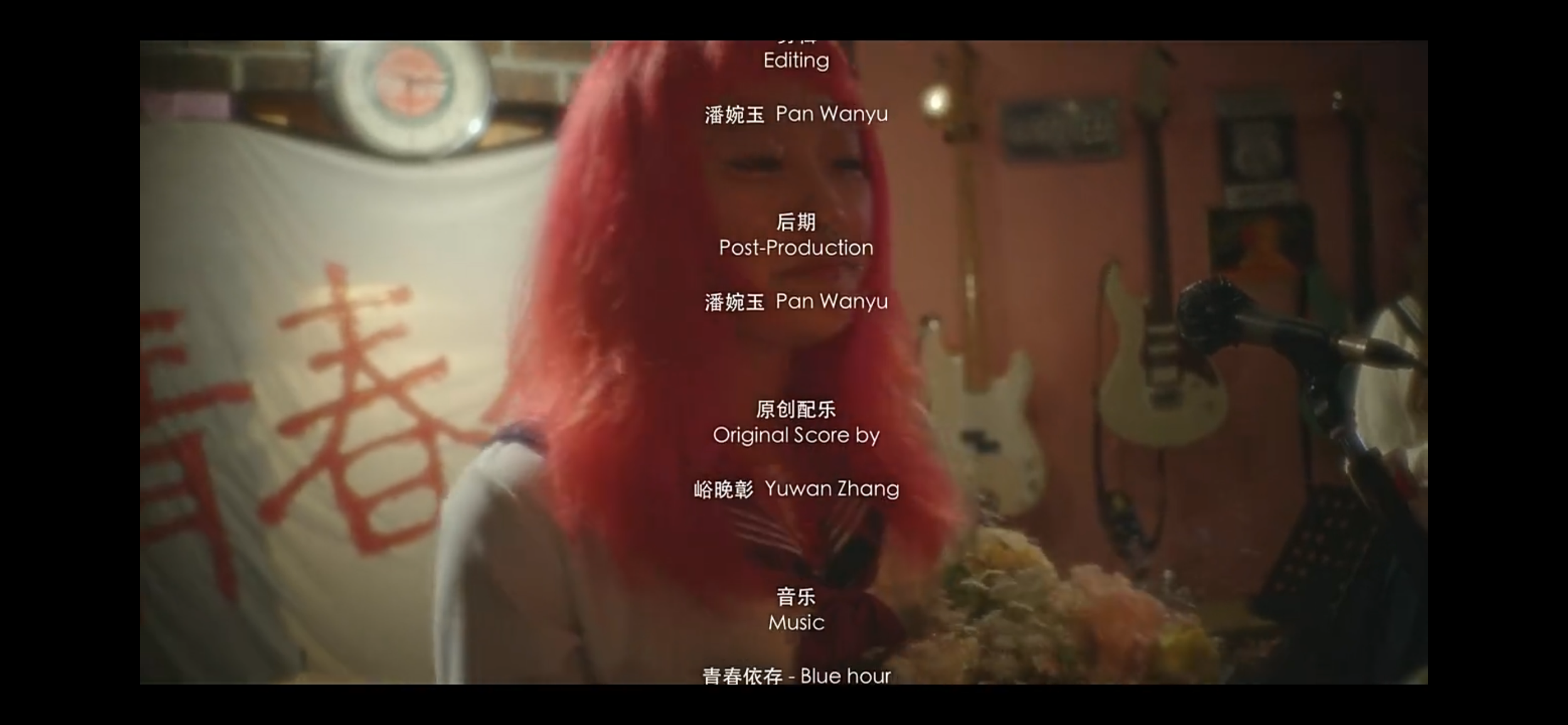
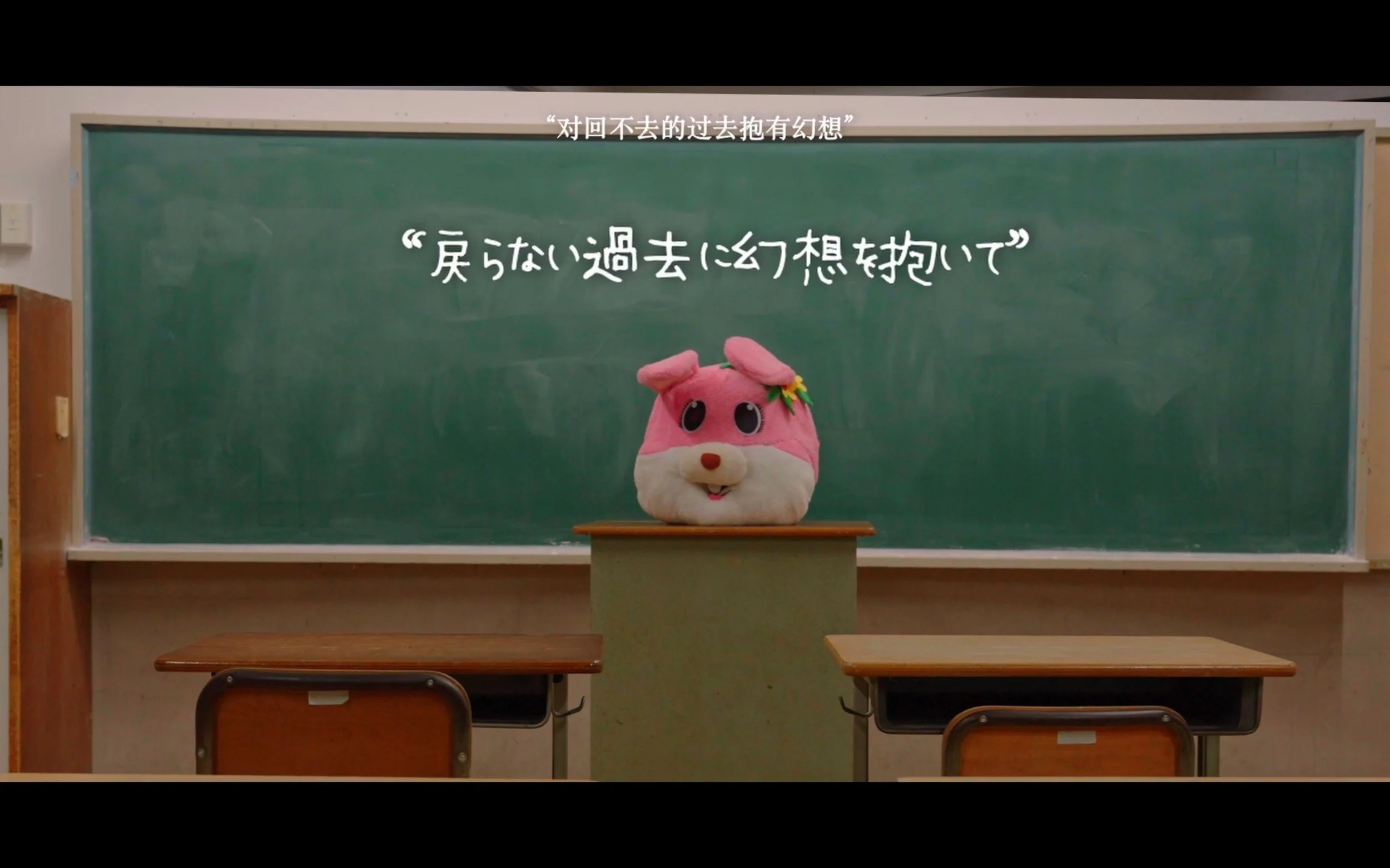
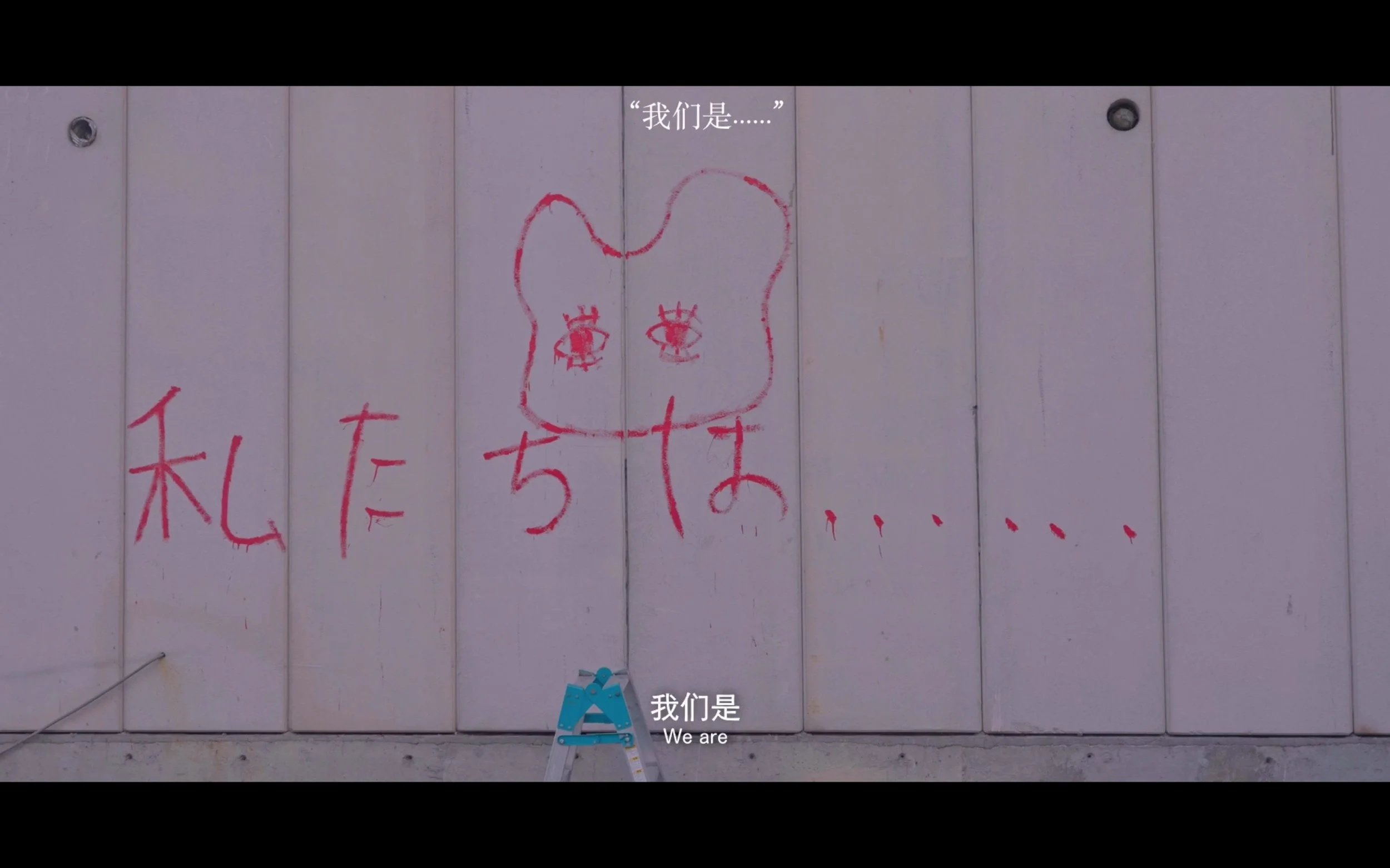
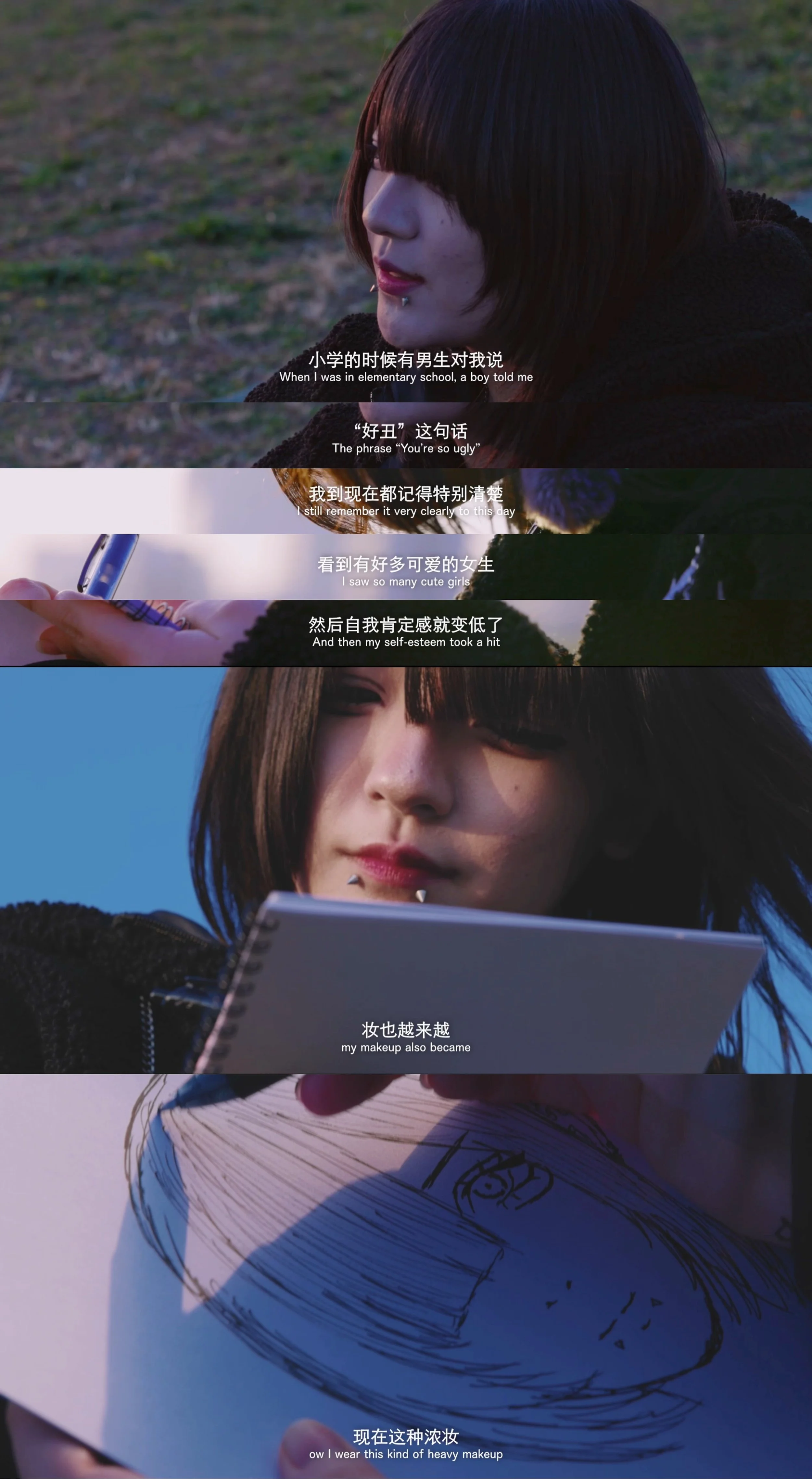
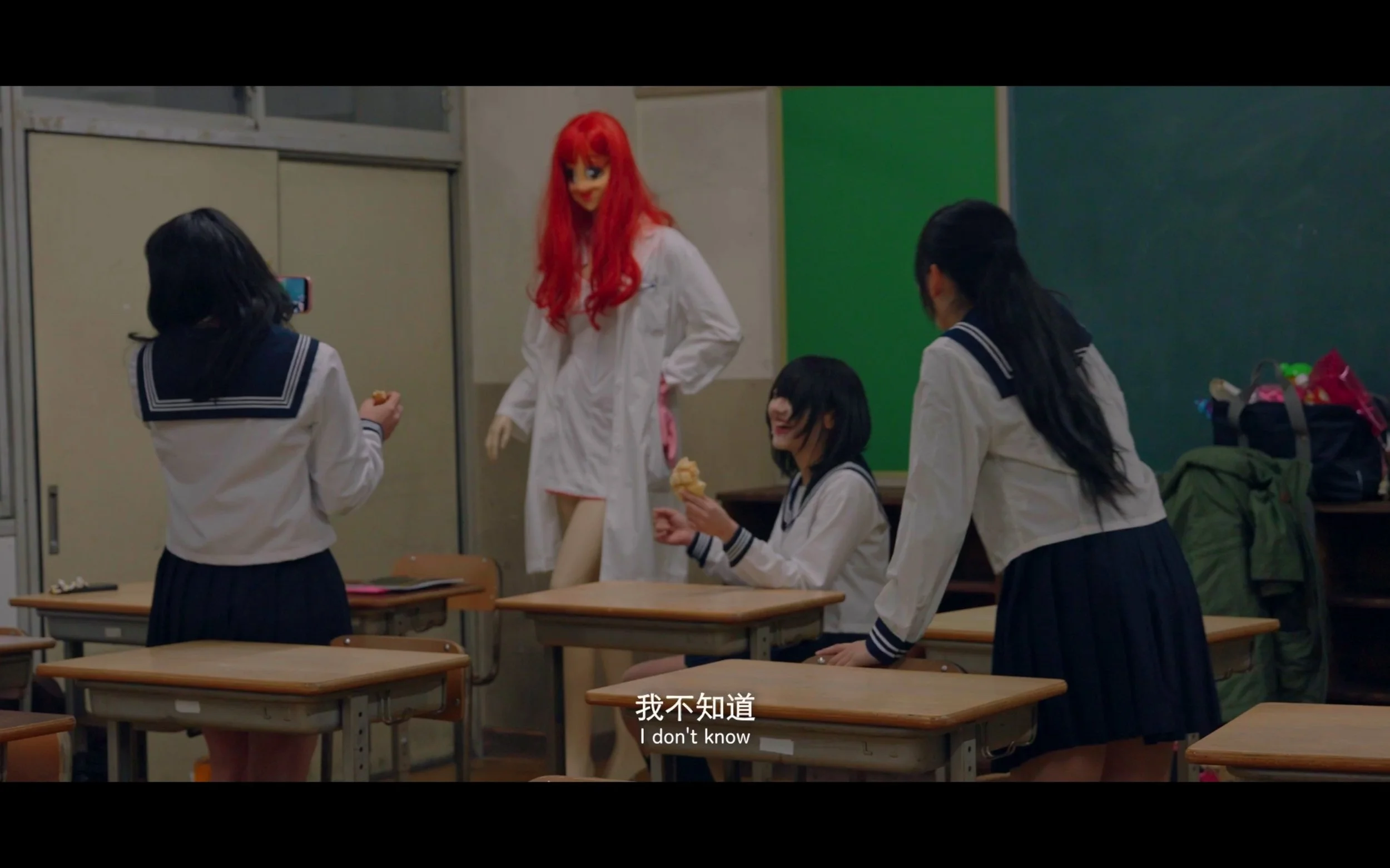
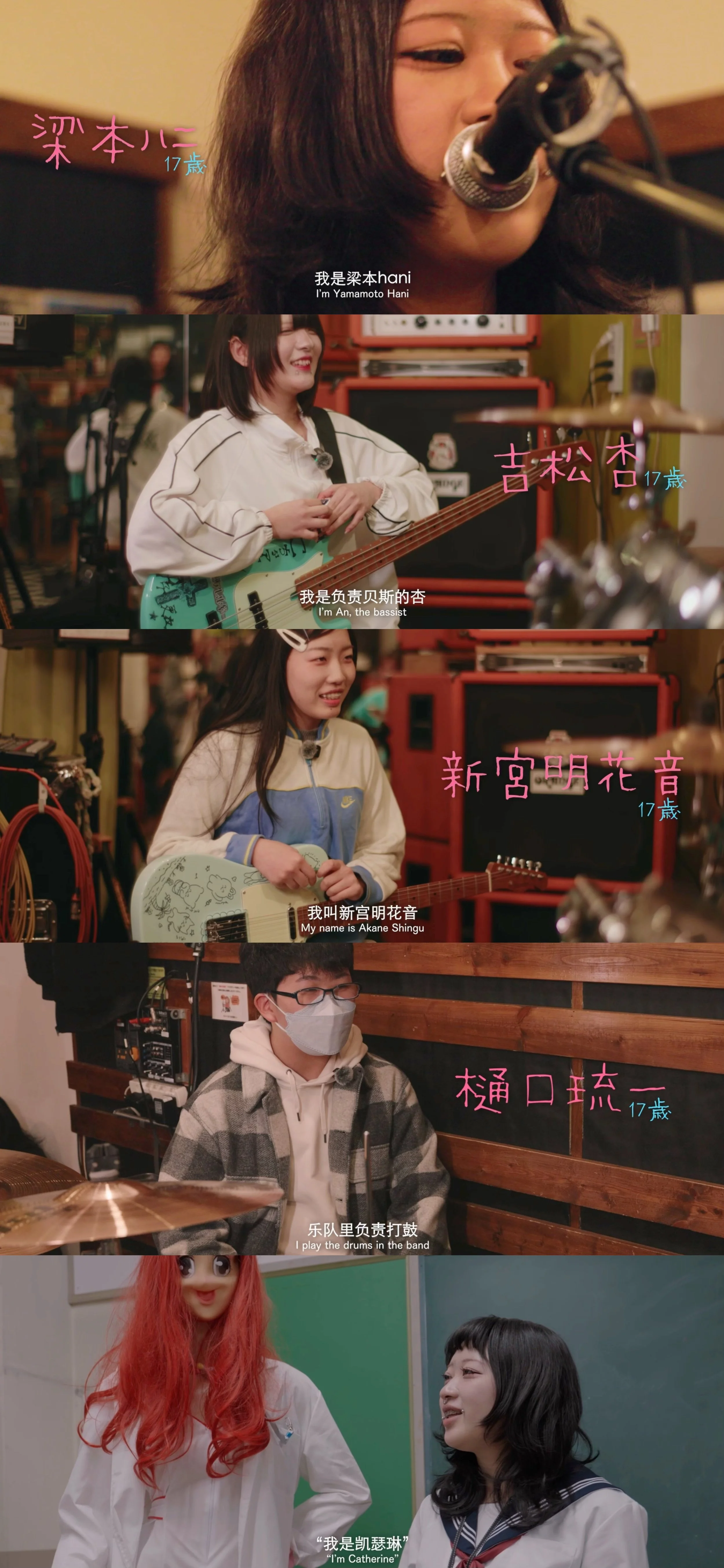
青春的颜色,是什么样的色彩呢?高中毕业十年,我给「青春」配了乐。
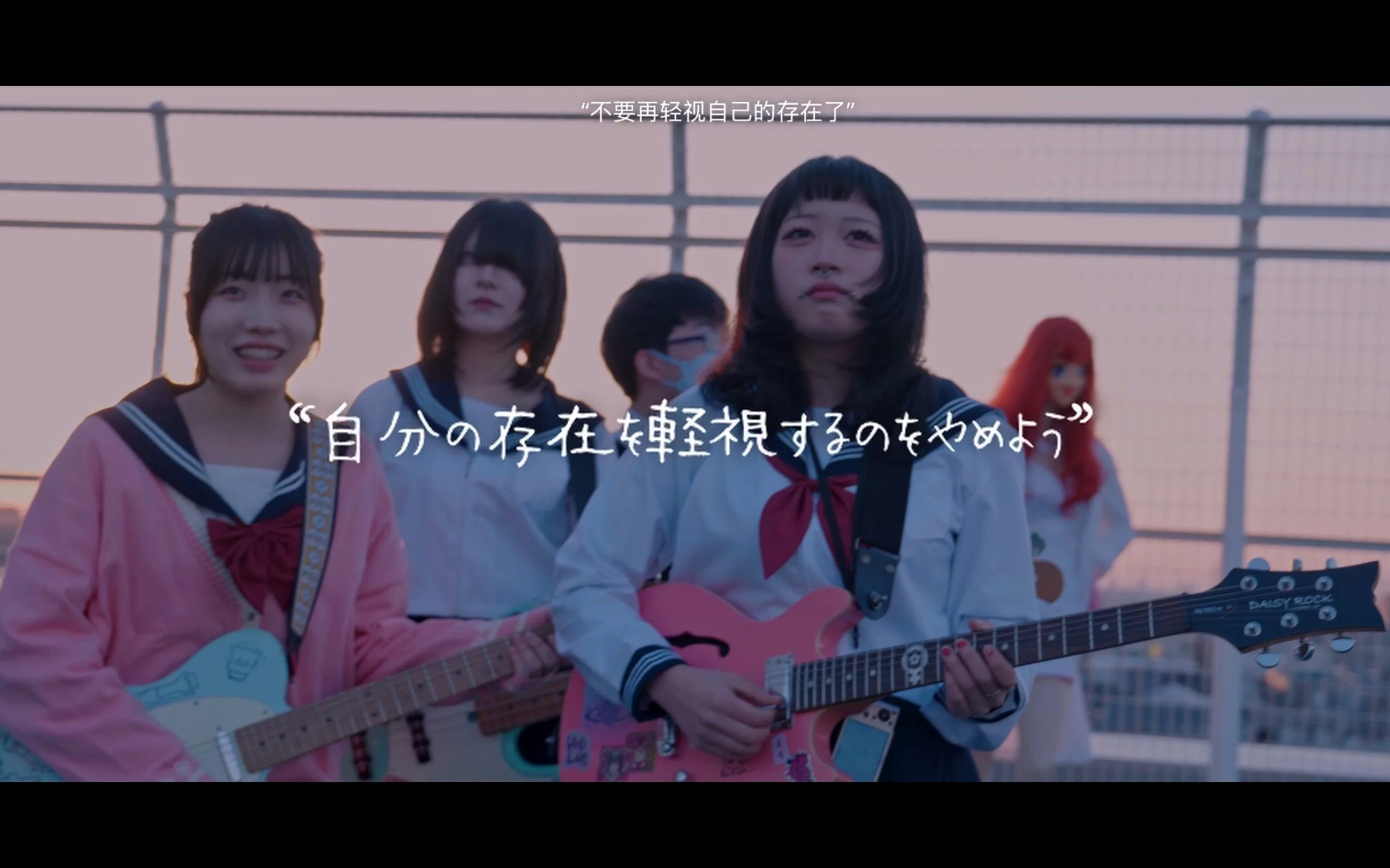
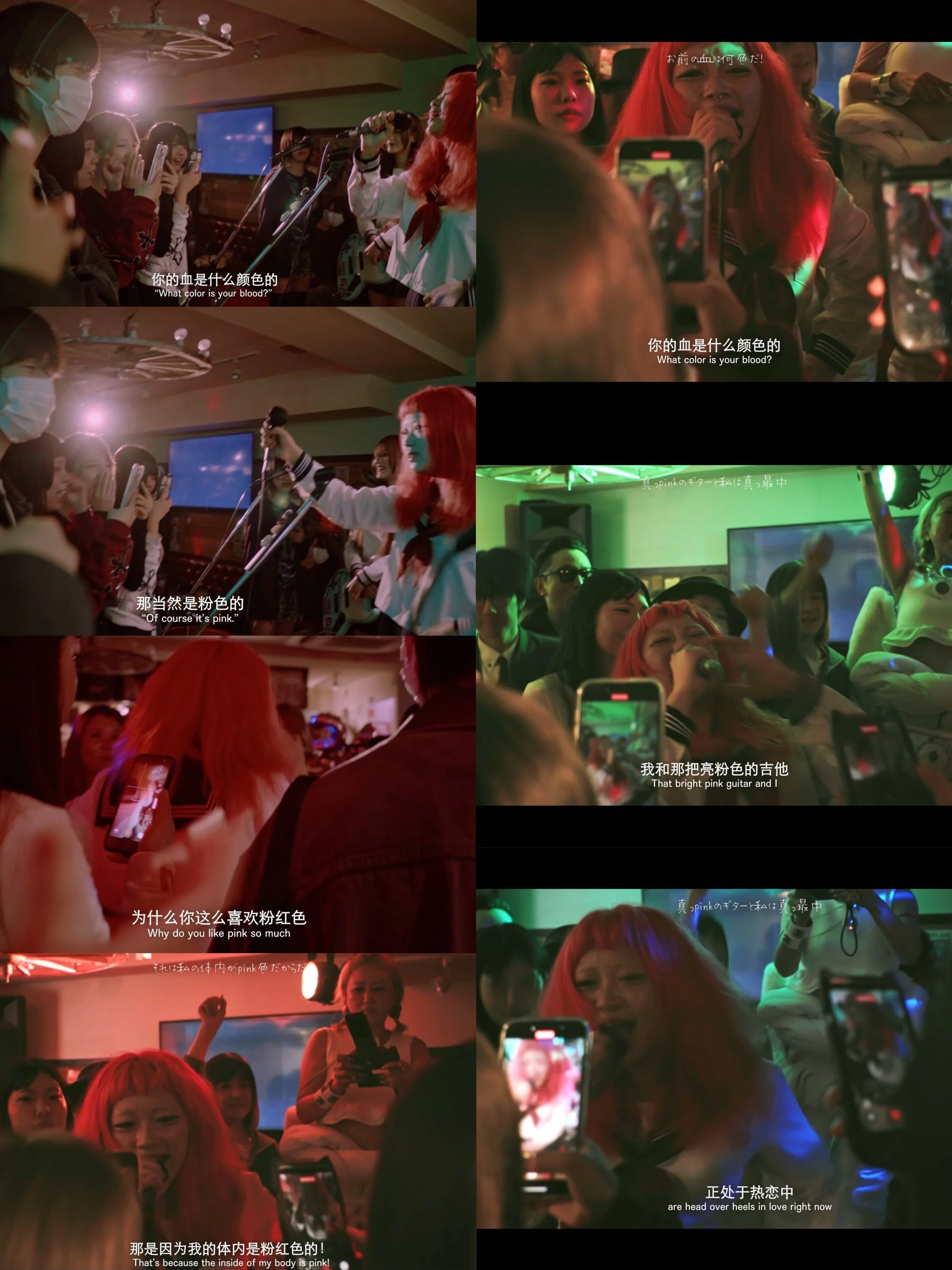
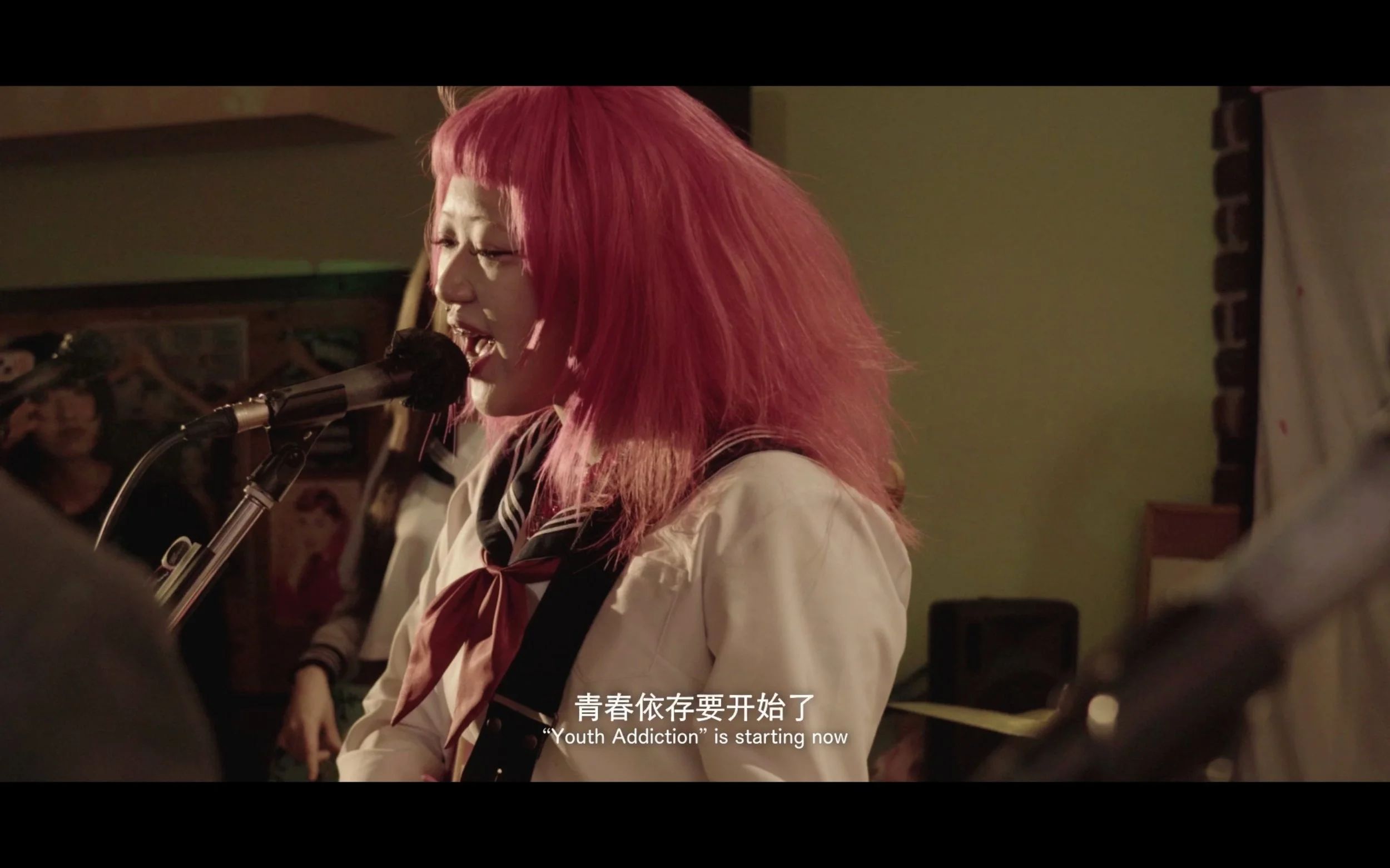
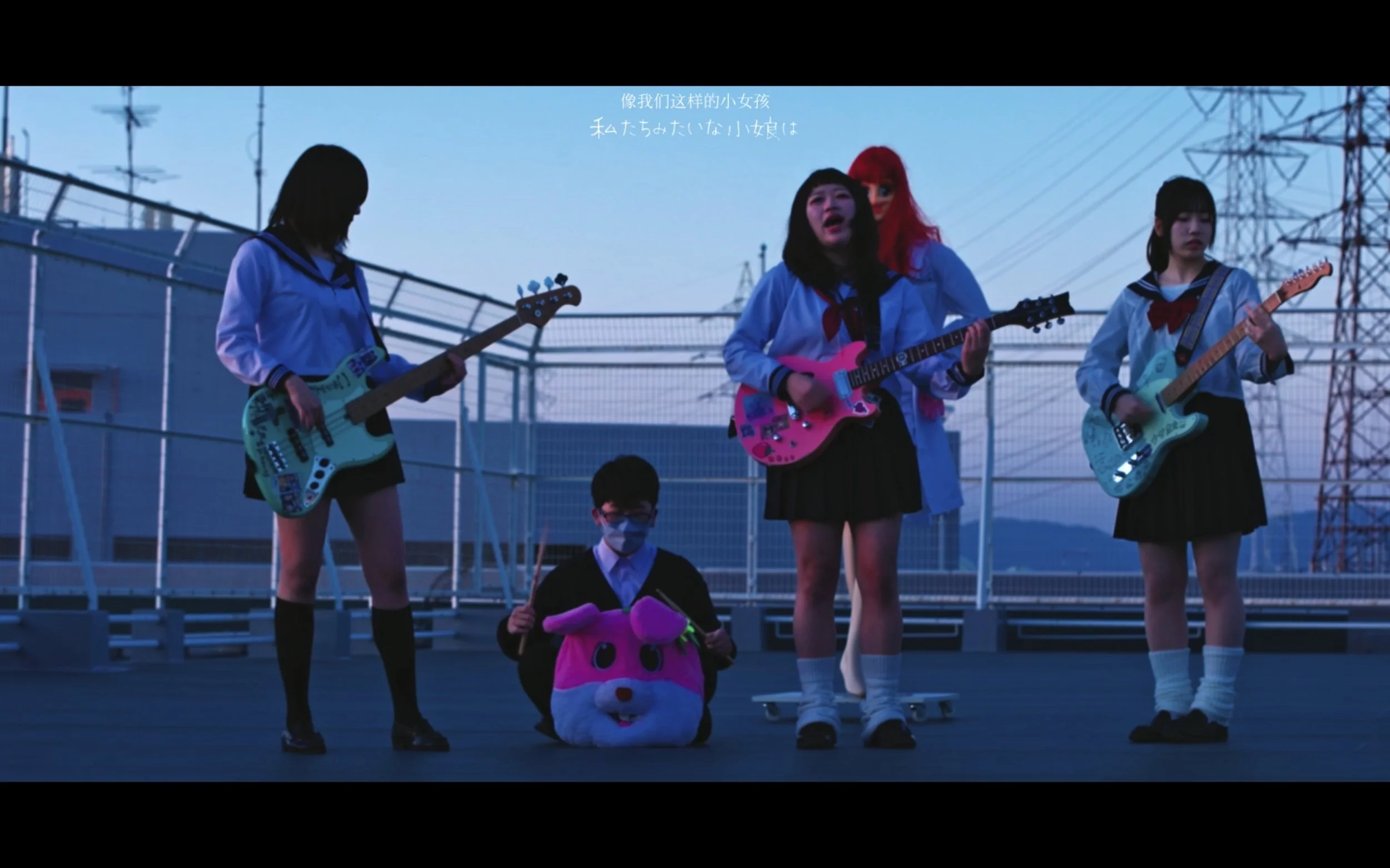
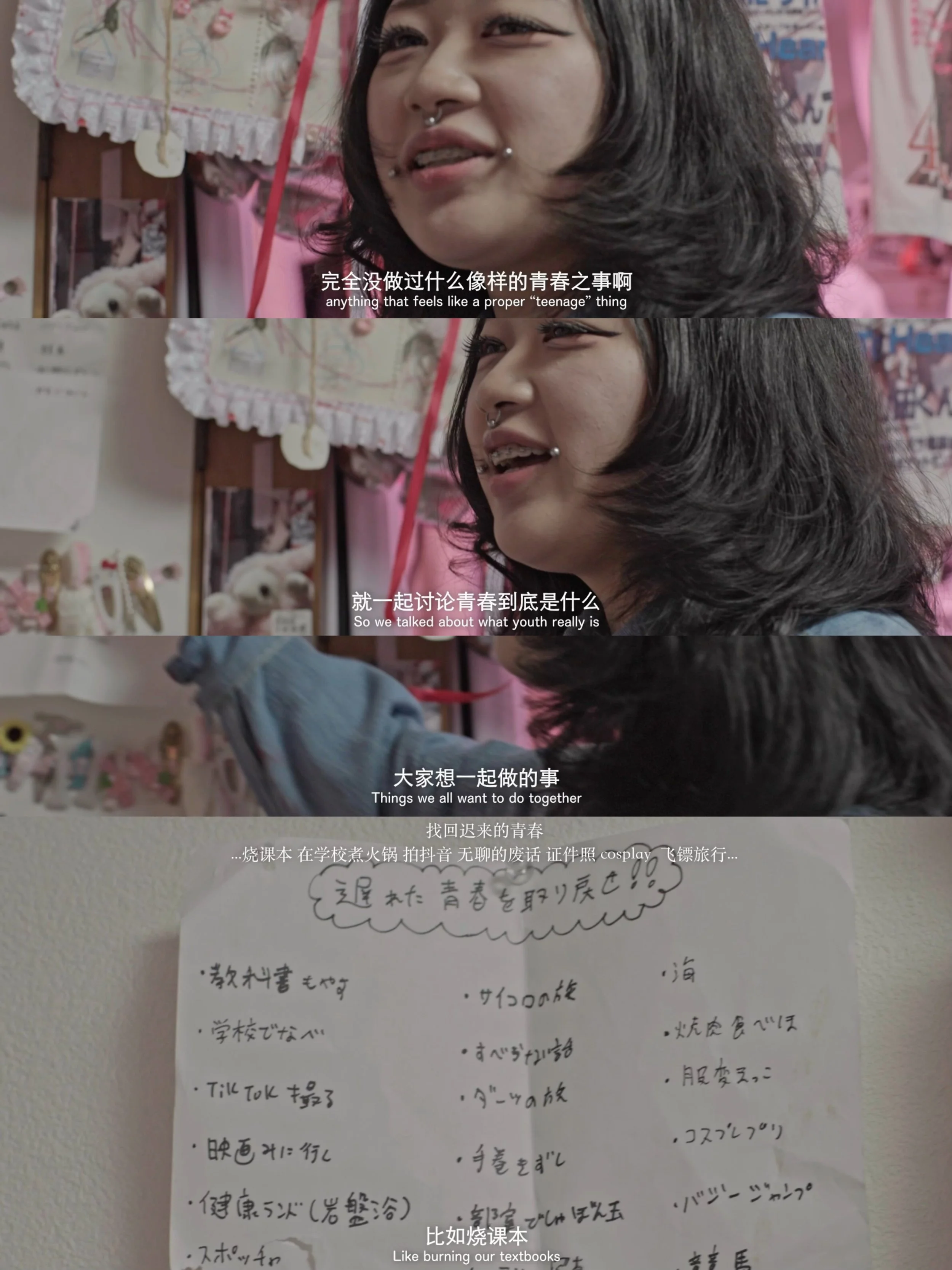
这是一部日本高三即将毕业的轻音部纪录片,《青春依存症》。
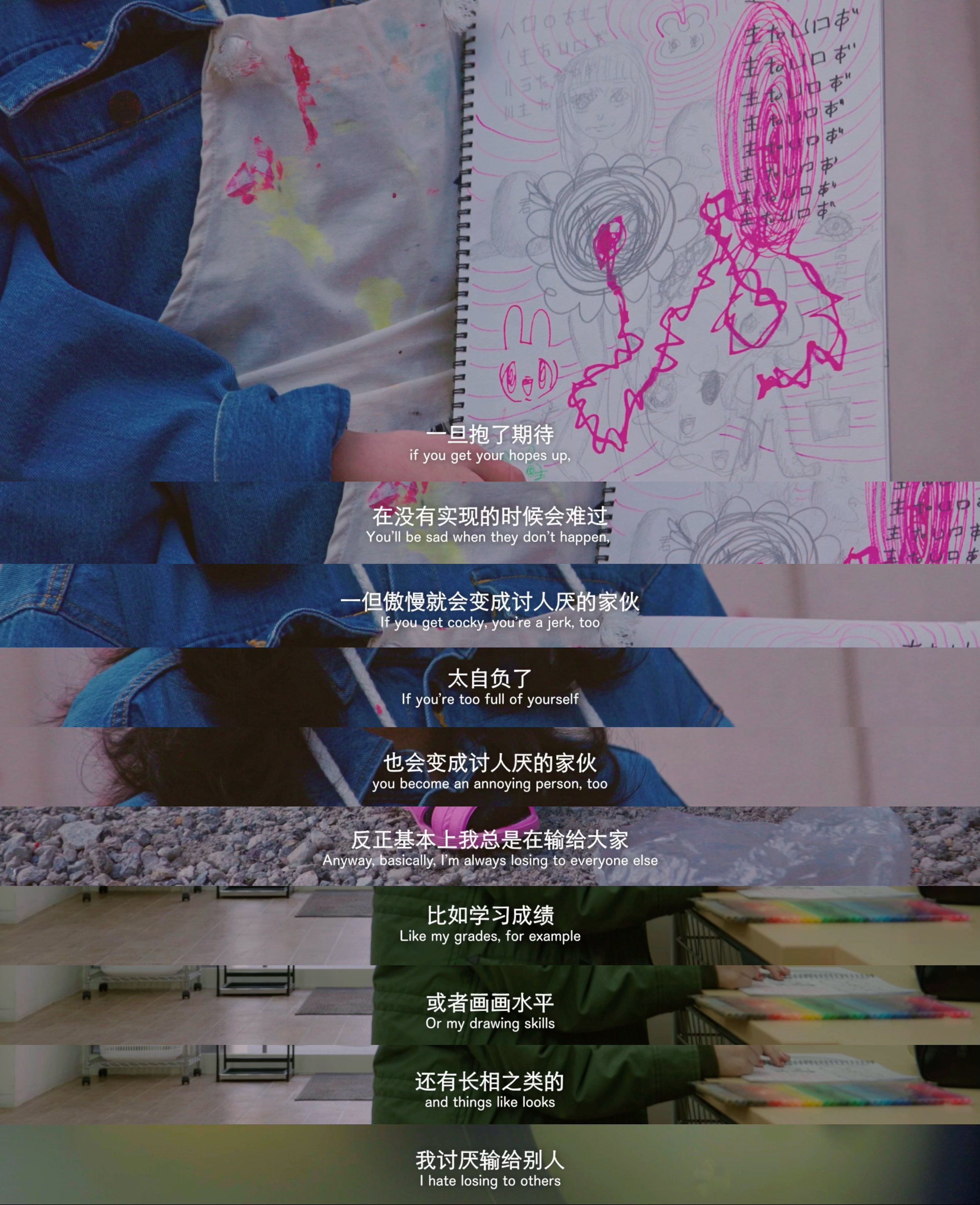
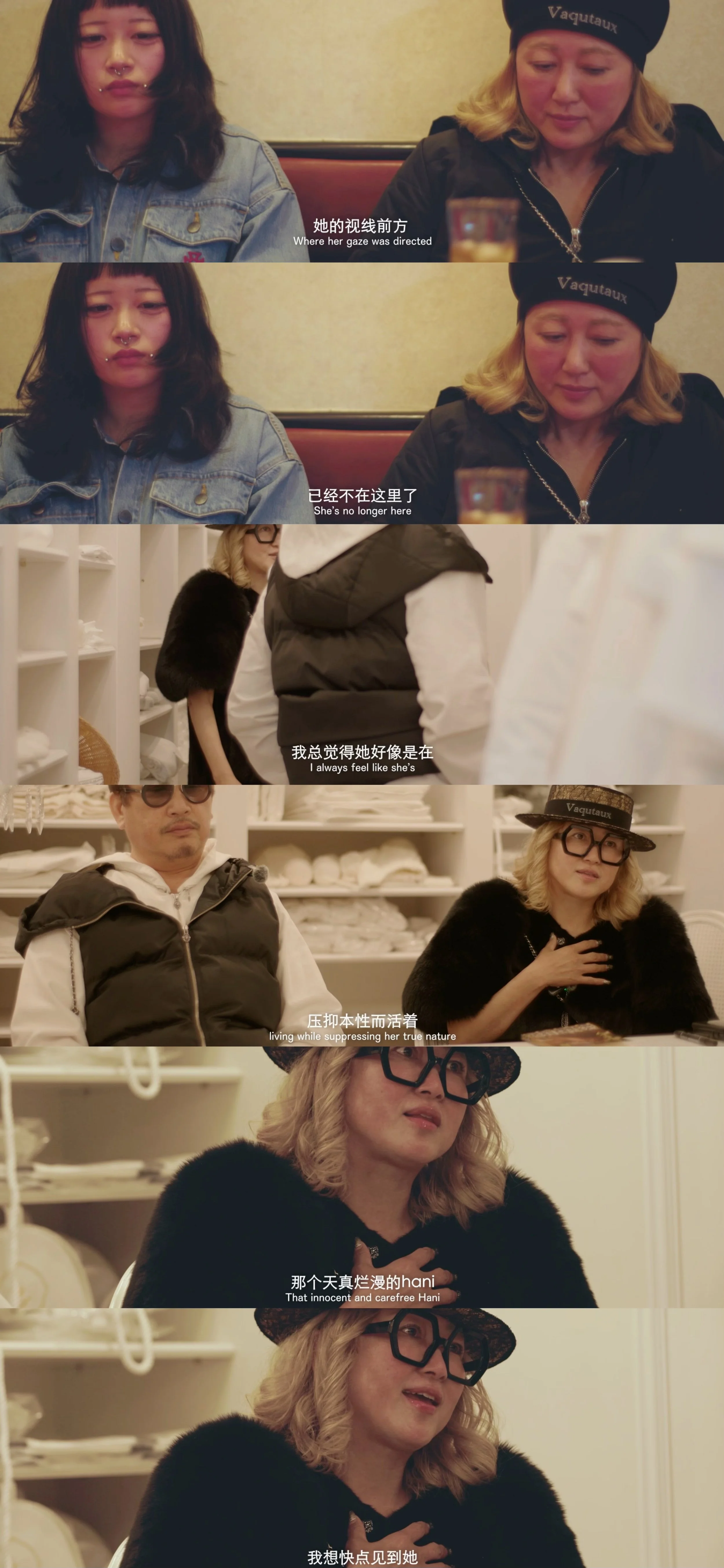
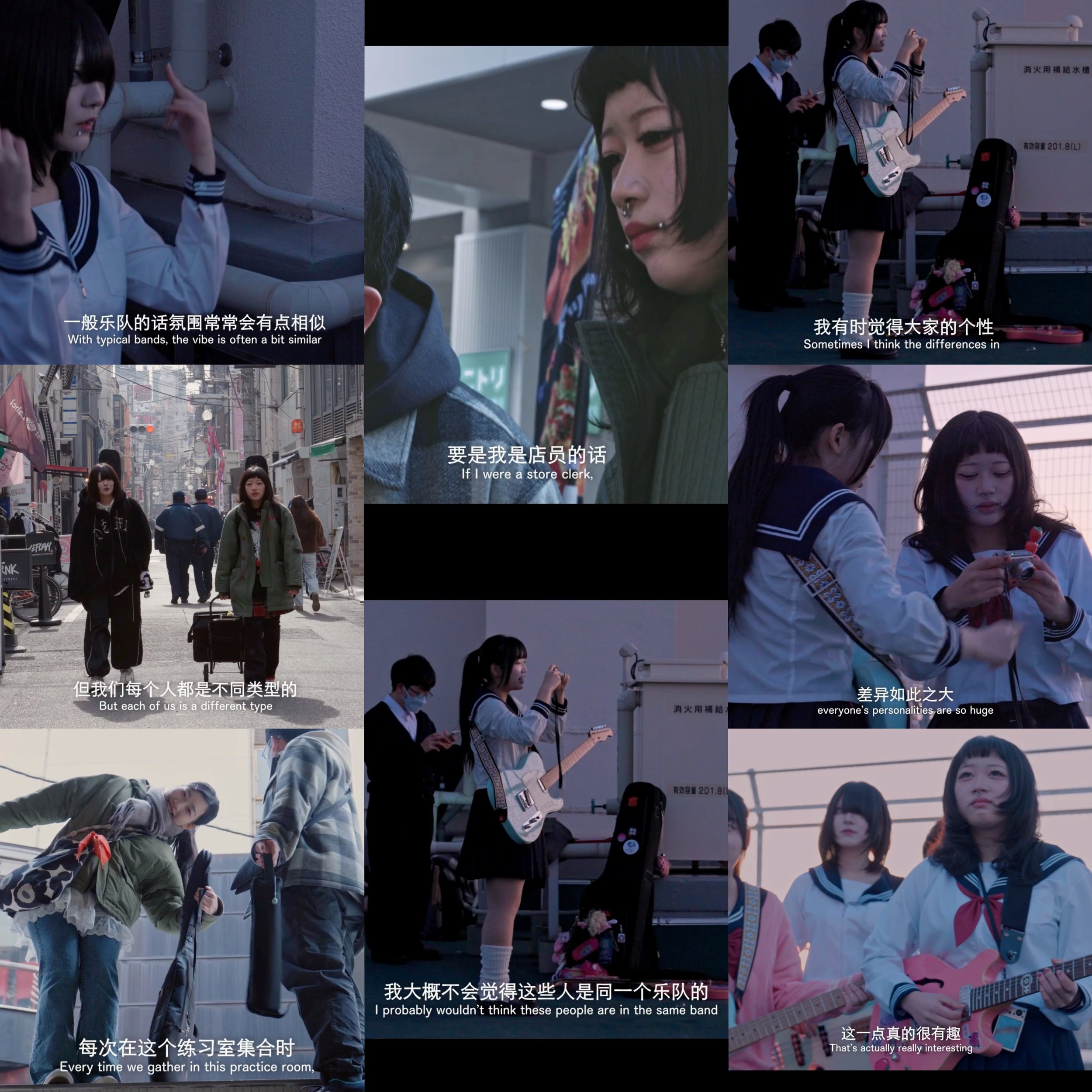
世人总是歌颂青春的绚丽,活力,清新。但是在这部片子里,我看到的是一些难过,一些来自未来的怀念,还有对未来的期待,不自信,和温柔与真诚。不知道如何处理与外界和家人的距离,坦率与诚实,混乱与不安。脑子里时至今日依然会和我讲话的幻想,天真烂漫,又时而跌入苦涩与孤独的谷底。但好像这四个孩子,哪怕每个人都有着截然不同的性格,有的人带着自己的伤疤,也在自己的世界与困境里孤独着,却好像只要聚在一起,就能在日落里闪着光芒。
初升高的暑假,我看了《轻音少女》。高中入学,我的梦想就是想组建一支乐队。但机缘不巧合,时隔十年,这个愿望也依然没有实现。
在毫无心理准备的情况下,我第一次看完这部片子时,眼泪止不住流。我颤抖着发着一串串的消息给导演,“请让我给这部片子写配乐。请让我成为这部片子的一部分”。
这部片子,无数个瞬间,是我自己。无数个瞬间,是他人的故事。
何其有幸,能在“不再是物理意义上的青春年龄”的年纪,以另一种形式,参与了我曾经一直向往,却从未降临过的青春。又或许每一种青春的底色,如人饮水,也不过是相同的。
只是未竟的梦想和遗憾,终于在十年后的夏天,画上了曾经的自己未曾幻想过的,更有趣的句号,成为了那个夏天最美好的回忆之一。也成为了对“配乐”这件事时常感到不安和迷茫与恐惧的自己,重拾纯粹快乐的解药与救赎。
或许曾经未竟的缘分,留在了某个未曾看见的未来。所以,“未来”,这个词,真的是“未来”。
青春的颜色,是什么样的色彩呢?
只要这是一段,“有朝一日回首,会笑着觉得‘太好了,是我没有虚度的时光’”,就足够了。
いつか振り向けば、後悔せず、無駄にせず過ごした時間で良かった。
所以,你永远可以拥有青春。
2026.09.22
【English translation】
What is the color of youth?
In the summer of 2026, exactly ten years after I left high school behind, I had the chance to score Seishun Izonshou (translation: Youth Addiction), a documentary about four Japanese high school seniors in their final year, playing together in their light music club before graduation.
People so often speak of youth as something radiant, vibrant, and fresh. But in this film, what I saw was sadness; nostalgia arriving from some future yet to come; anticipation for what lies ahead, mixed with uncertainty; tenderness and sincerity. I saw the struggle to understand the right distance between oneself and the outside world, and between oneself and one’s family. I saw candor and honesty, confusion and unease. I saw the fantasies that still speak to me in my head even now—innocent and carefree one moment, then falling suddenly into valleys of bitterness and loneliness.
And yet these four young people, each so completely different from the others—some carrying scars of their own, each lonely in their own world and their own struggles—seemed somehow to glow in the sunset whenever they came together.
The summer before I entered high school, I watched K-On!. When I started high school, one of my dreams was to form a band of my own. Circumstances never quite aligned, and ten years later, that wish still has not come true.
I was completely unprepared for what happened when I watched the documentary for the first time. I could not stop crying. With trembling hands, I sent message after message to the director:
“Please let me write the score for this film. Please let me become a part of it.”
In countless moments, this film was me.
And in countless others, it was someone else’s story.
How fortunate I was, at an age when I was no longer “young” in the literal sense, to take part—through another form—in the kind of youth I had once longed for, but never quite had.
Or perhaps, beneath it all, every kind of youth carries the same underlying color. Perhaps it is simply something each of us must experience for ourselves.
A dream left unfinished, and the regret it carried, finally found its ending ten summers later—an ending far more interesting than the person I was back then could ever have imagined. It became one of my most beautiful memories of that summer.
And for the version of me who has so often felt uncertain, lost, and afraid about the very act of scoring films, it became a kind of antidote and salvation—a way to rediscover the simple, unguarded joy of making music.
Perhaps the connections that once remained unfinished were simply waiting somewhere in a future I had not yet seen.
And perhaps that is why the word “future” truly means something that has not yet arrived.
What is the color of youth?
Perhaps it is enough for it to be a stretch of time that, one day, when you look back, makes you smile and think:
“I’m glad. I have no regrets. I did not let that time go to waste.”
And so, you can always have youth.
2026.09.22
【日本語訳】
青春の色は、どんな色だろう。
2026年の夏。
高校を卒業して、ちょうど十年が経った頃、私は日本の高校3年生たちの軽音楽部を追ったドキュメンタリー映画『青春依存症』の音楽に携わった。
世の中では、青春というものはいつも、鮮やかで、瑞々しく、生命力にあふれたものとして語られる。
けれど、この映画の中で私が見たのは、少しの悲しさだった。
まだ訪れてもいない未来から、すでに振り返っているかのような懐かしさ。
これから先への期待と、自信のなさ。
優しさと、誠実さ。
外の世界や家族と、どれくらいの距離で向き合えばいいのか分からないこと。
素直さと正直さ。
混乱と不安。
今でも頭の中で私に話しかけてくるような空想。
無邪気で、あどけなくて、
それなのに、ときどき突然、苦さや孤独の谷底へと落ちていく感覚。
けれど、この四人は、
一人ひとりまったく違う性格を持っていて、
それぞれが自分なりの傷を抱え、
自分だけの世界や悩みの中で孤独になっていたとしても、
四人で集まった瞬間だけは、
夕暮れの中で光っているように見えた。
高校に入る前の夏、私は『けいおん!』を観た。
高校に入学した頃、私の夢の一つは、自分のバンドを組むことだった。
けれど、巡り合わせがうまく重ならず、
十年が経った今も、その夢はまだ叶っていない。
何の心の準備もないまま、初めてこの映画を最後まで観た時、
涙が止まらなかった。
震える手で、私は監督に何通も何通もメッセージを送った。
「ぜひ、この映画の力にならせてください」
この映画の、数え切れないほどの瞬間に、
私は自分自身を見た。
そしてまた、数え切れないほどの瞬間に、
誰かの物語を見た。
もう「物理的な意味で青春と呼ばれる年齢」ではなくなった頃に、
かつてずっと憧れていながら、
自分には訪れなかった青春に、
別の形で参加することができた。
それは、なんて幸せなことだったのだろうと思う。
あるいは、
どんな青春であっても、その根底にある色は、
案外みんな同じなのかもしれない。
それがどんなものだったのかは、
結局、自分自身で味わってみなければ分からないだけなのかもしれない。
叶わなかった夢も、
残っていた後悔も、
十年後の夏になって、ようやく一つの終止符を打つことができた。
しかもそれは、
あの頃の自分には想像もできなかったような、
少し不思議で、もっと面白い終わり方だった。
そしてそれは、
あの夏の、いちばん美しい思い出の一つになった。
同時に、
「映画音楽を書く」ということに対して、
何度も不安になり、
迷い、
怖くなっていた私にとって、
もう一度、
ただ純粋に音楽を作ることの喜びを思い出させてくれる、
一つの薬であり、救いにもなった。
もしかすると、
かつて結ばれなかった縁は、
まだ見えていなかった未来のどこかに、
そのまま残されていたのかもしれない。
だからこそ、
「未来」という言葉は、
本当に「まだ来ていないもの」なのだと思う。
青春の色は、どんな色だろう。
「いつか振り向けば、後悔せず、無駄にせず過ごした時間で良かった。」
そう思える時間であれば、
それで十分なのかもしれない。
だから、君はいつも、青春を生きていける。
2026.09.22